First Principal Rates


First Principal Rates


First Principal Rates

Logic prevails

Science to some. Standard for us.

Science to some. Standard for us.


First-principles rates mean no guesswork. We construct each unit cost from first principles and evidence it with market supply rates and productivity that stands up to scrutiny.


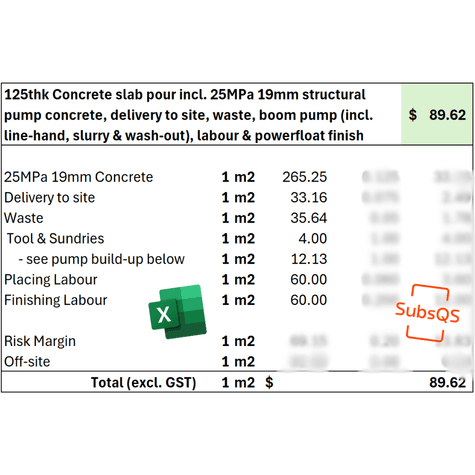
Our first-principle build-ups expose the cost drivers for each component — material budgets, cartage costs, waste allowances, any fixing and material allowances, labour hours and margins.


Loosing jobs using 'book-rates' that you cant refine or talk to due to a lack of transparency?


Give us a call or email directly to see where the gaps in your rates are.

The principal stays the same.
Exactly.

  1. Rate Inputs

We need your company material supply rates, any agreed cartage costs and labour charge out rate. We look at the project scope of work to determine waste, plus any other access, fixings or sundry items that are required.

Custom PDF graphic icons with outlook icon by SubsQS Ltd
First principal rate buildup for concrete placing by SubsQS
  1. Labour Component

  1. Labour

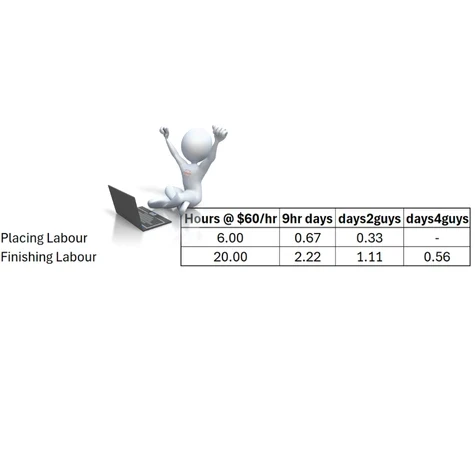
Depending on the rate being built, we can assign an industry average labour constant to begin, then refine that based on actual labour budget outcome to reflect your teams output for each unit rate line item.

  1. Margins

  1. Margins

We can include risk margins plus company off-site overheads within each rate. Alternatively, we can exclude margins from your commercially sensitive rates for you to assign prior to submission.

white chaaracter standing on orange blocks by SubsQS
white character and spreadsheet table by SubsQS
  1. Total Budgets

  1. Total Budgets

With the rate now complete, send through the items quantity and unit of measure so we can extend each line item out into total budgets, including total labour hours, days, weeks etc.

  1. Excel Workbook

  1. Excel Book

Receive a copy of the workbook with all inputs and outputs for each rate. This makes updating the rate(s) due to a material or scope change super simple.


Green microsoft excel icon by SubsQS
Concept Stage estimate report by SubsQS Ltd
  1. Covering Letter

We itemise all rate inclusions with their respective total budget based on your supplied quantity. Labour rates and total hours per unit are clarified along with any margins you provide to include.

"Logic will get you from A to B. Imagination will take you everywhere."

| Albert Einstein |

"Logic will get you from A to B.
Imagination will take you everywhere."

FAQ

What inputs go into a first principles rate?

Measured quantities, crew productivity labour hours, your suppliers rates, plant, wastage, cartage, overheads, risk margin and anything else specific to that item of work.

What is first principles estimating?

Put simply, a demonstration of understanding that applies to a rate build-up, which allows the slightest of tweaks to each component of any given rate.

How are preliminaries, overheads and risk applied without double counting?

Direct costs form the base rate. Prelims are added at project level. Off-site overheads and profit (OHP) are applied transparently on top. Risk is what the market is accepting as mark-up with consideration of how badly you want the work, or not. Profit is whats left over when its all said and done.

How are rates validated and kept current?

Due to the level of detail available you will be able to isolate each cost and update it with the arrival of new supply pricing or increased/decreased labour rates and or productivity.

What inputs go into a first principles rate?

Measured quantities, crew productivity labour hours, your suppliers rates, plant, wastage, cartage, overheads, risk margin and anything else specific to that item of work.

What is first principles estimating?

Put simply, a demonstration of understanding that applies to a rate build-up, which allows the slightest of tweaks to each component of any given rate.

How are preliminaries, overheads and risk applied without double counting?

Direct costs form the base rate. Prelims are added at project level. Off-site overheads and profit (OHP) are applied transparently on top. Risk is what the market is accepting as mark-up with consideration of how badly you want the work, or not. Profit is whats left over when its all said and done.

How are rates validated and kept current?

Due to the level of detail available you will be able to isolate each cost and update it with the arrival of new supply pricing or increased/decreased labour rates and or productivity.

What inputs go into a first principles rate?

So long as project is competitively tendered by multiple Main Contractors/Builders, and once their quoted price is understood so we are comparing 'apples-with-apples', a reasonable variance is 10%.

What is first principles estimating?

Put simply, a demonstration of understanding that applies to a rate build-up, which allows the slightest of tweaks to each component of any given rate.

How are preliminaries, overheads and risk applied without double counting?

Direct costs form the base rate. Prelims are added at project level. Off-site overheads and profit (OHP) are applied transparently on top. Risk is what the market is accepting as mark-up with consideration of how badly you want the work, or not. Profit is whats left over when its all said and done.

How are rates validated and kept current?

Due to the level of detail available you will be able to isolate each cost and update it with the arrival of new supply pricing or increased/decreased labour rates and or productivity.

What inputs go into a first principles rate?

So long as project is competitively tendered by multiple Main Contractors/Builders, and once their quoted price is understood so we are comparing 'apples-with-apples', a reasonable variance is 10%.

What is first principles estimating?

Put simply, a demonstration of understanding that applies to a rate build-up, which allows the slightest of tweaks to each component of any given rate.

How are preliminaries, overheads and risk applied without double counting?

Direct costs form the base rate. Prelims are added at project level. Off-site overheads and profit (OHP) are applied transparently on top. Risk is what the market is accepting as mark-up with consideration of how badly you want the work, or not. Profit is whats left over when its all said and done.

How are rates validated and kept current?

Due to the level of detail available you will be able to isolate each cost and update it with the arrival of new supply pricing or increased/decreased labour rates and or productivity.

"Logic will get you from A to B. Imagination will take you everywhere."

| Albert Einstein |